How to Choose the Right Front Bumper for Your Vehicle?
Choosing the right front bumper for your vehicle is crucial. The front bumper serves multiple purposes. It enhances the look of your car. It also protects vital components during minor collisions.
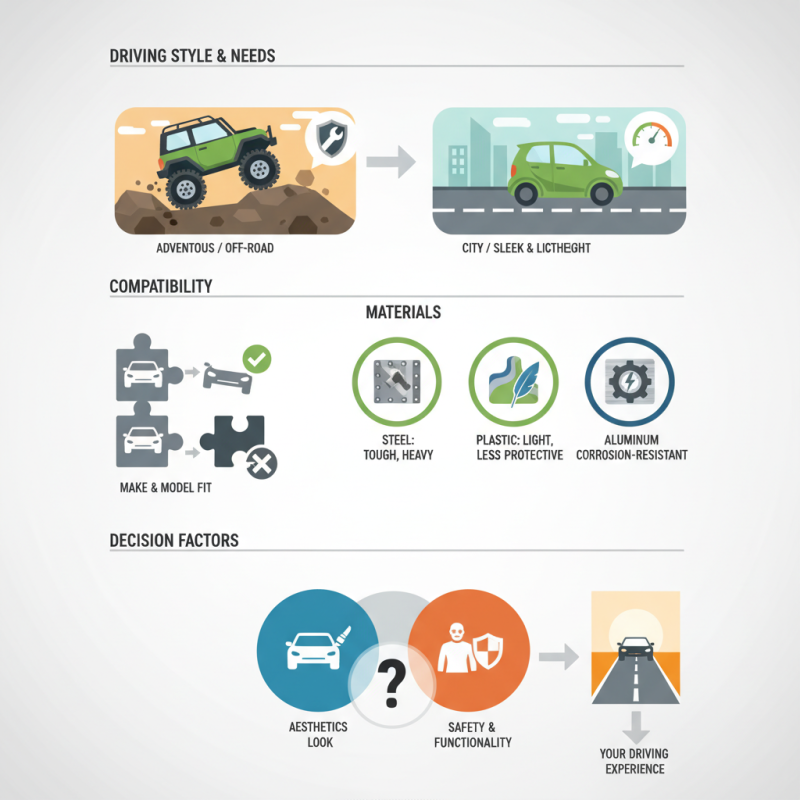
Consider your driving style and needs. A sturdy off-road bumper may suit adventurous drivers. If you drive in the city, a sleek, lightweight bumper might be better. Think about compatibility as well. Ensure the bumper fits your make and model properly. Mismatched parts can lead to safety issues.
Explore various materials, such as plastic, steel, or aluminum. Each offers different benefits. Steel is tough but heavier. Plastic is lightweight but may not provide maximum protection. Reflecting on personal choices can help you make the best decision. Ultimately, choosing a front bumper is not just about aesthetics. It requires evaluating safety and functionality for your driving experience.
Understanding the Importance of a Front Bumper for Your Vehicle
A front bumper plays a crucial role in your vehicle’s safety and aesthetics. It absorbs impact during collisions, protecting internal parts. A well-designed bumper can reduce damage in minor accidents. However, not all bumpers are created equal, so knowing how to choose wisely is vital.
The right bumper can enhance your vehicle's look and functionality. Some designs focus on ruggedness for off-road enthusiasts. Others prioritize sleek, aerodynamic shapes for better fuel efficiency. Consider your driving style before making a decision. It’s easy to get swayed by looks alone, but functionality matters too. A bumper that looks great might not provide the protection you need.
Furthermore, installation can be challenging. You might need special tools or assistance. Many people overlook these aspects. Reflecting on your requirements will help you make a more informed choice. Assess materials, design, and installation processes carefully. Even the best bumper can be a disappointment if it doesn’t fit well or serve its intended purpose.
Factors to Consider When Choosing a Front Bumper
When considering a front bumper for your vehicle, there are several important factors to evaluate. Material choice is crucial. Bumpers typically come in steel, aluminum, or plastic. Steel offers durability but adds weight. Aluminum is lighter and resistant to corrosion. Plastic bumpers are lightweight and cost-effective but may lack strength. A report from the Automotive Parts Association indicates that about 45% of consumers prioritize weight savings in bumper selection.
Next, think about the bumper’s style and functionality. Some designs provide better aerodynamics, which can improve fuel efficiency. Others may offer enhanced protection or off-road capabilities. According to a survey by the Specialty Equipment Market Association, 70% of consumers who customize bumpers look for features that enhance both appearance and performance. This trend shows the importance of balancing aesthetics with practicality.
Compatibility with your vehicle model is another key factor. Not all bumpers fit every vehicle, and poor fitting can compromise safety and effectiveness. DIY installation seems appealing, yet inadequate installation can lead to critical failures. A study showed that improper installation increased the risk of failure during accidents by 35%. Ensuring a proper fit not only enhances functionality but also supports vehicle safety. Reflecting on these points can help make your choice clearer and more intentional.
Types of Front Bumpers and Their Features
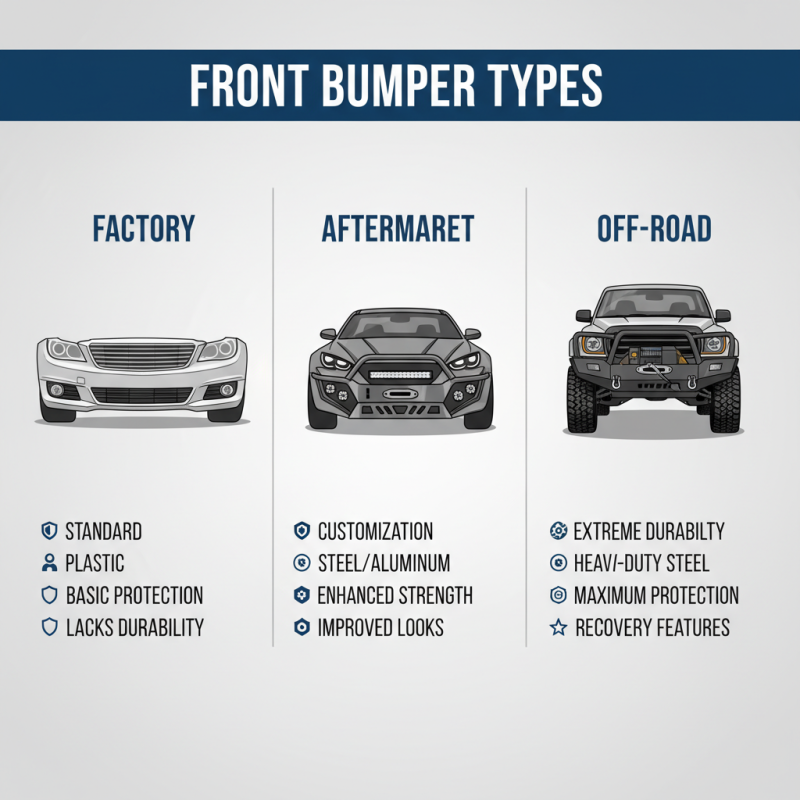
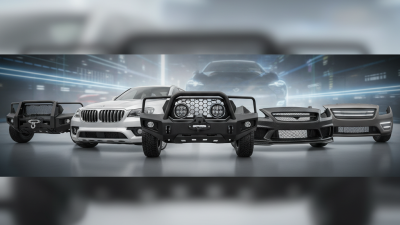
When choosing a front bumper, it's essential to understand the types available. There are three main types: factory, aftermarket, and off-road bumpers. Factory bumpers are standard and are often made from plastic. They provide basic protection but lack durability. Aftermarket options offer more customization. They're typically made from steel or aluminum, providing better strength.
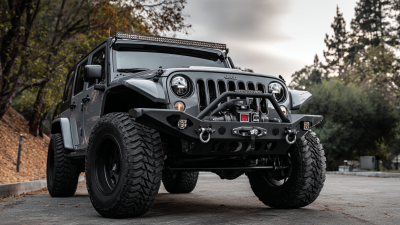
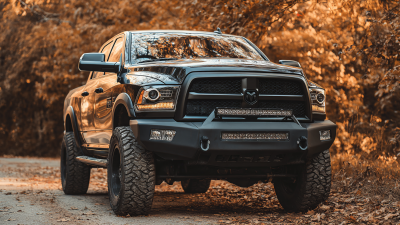
Off-road bumpers are designed for rugged terrain. These bumpers usually feature reinforced structures. They often come with additional attachments for lights and winches. According to a recent industry report, nearly 35% of vehicle owners opt for aftermarket solutions. This shows a strong demand for improved functionality and aesthetic appeal.
However, choosing the right bumper isn’t always straightforward. Some aftermarket selections may not fit correctly or might be too heavy, affecting the vehicle's performance. It's crucial to research compatibility and weight. Understanding specific needs can lead to a better choice, preventing possible issues down the road.
Compatibility: Ensuring the Bumper Fits Your Vehicle Model
When choosing a front bumper, compatibility is crucial. Not every bumper fits every vehicle. In fact, a study showed that over 30% of vehicle owners install improper bumpers. This can lead to alignment issues and safety concerns. A good fit can enhance performance and aesthetics.
Ensure you know your vehicle’s make and model. Many bumpers are designed for specific trims. For instance, a mid-size SUV may require a different bumper than its sport edition. Many retailers provide compatibility charts. However, these charts can be confusing. Some buyers overlook essential details, leading to poor purchases.
Another important factor is the mounting system. Proper mounting ensures structural integrity. A poorly fitted bumper may detach in a collision. This can result in increased damage to the vehicle and surrounding areas. According to industry reports, improper bumpers contribute to 15% of repair costs post-accident. Investing time in compatibility checks can save money in the long run.
How to Choose the Right Front Bumper for Your Vehicle
Material Options and Their Impact on Durability and Performance
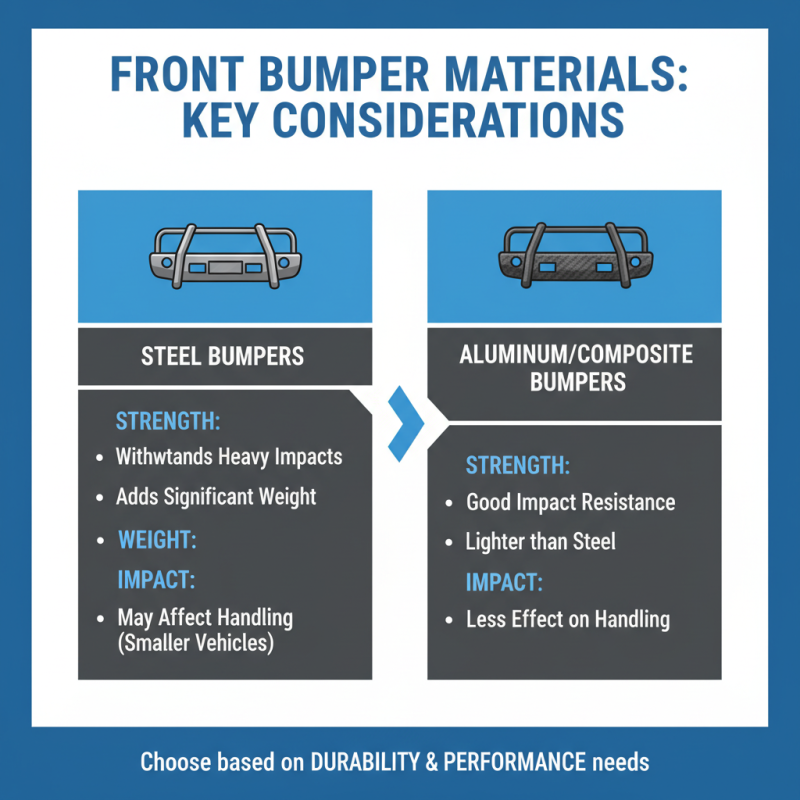
When choosing a front bumper, material plays a crucial role. Each type offers unique benefits affecting durability and performance. Steel bumpers are known for their strength. They withstand heavy impacts but can add significant weight. This weight may affect handling, especially in smaller vehicles.
Aluminum bumpers provide a lighter alternative. They resist rust, improving longevity. However, they may not absorb impacts as well as steel. Manufacturers often face challenges in balancing weight and protection. Composite materials are gaining popularity. They are lightweight and durable but can be costly. Sometimes, the choice comes down to budget over performance.
Reflect on your driving habits and needs. Will your vehicle face rough terrain or urban streets? Each material has potential drawbacks. Steel may corrode if not maintained, while composites can crack under extreme conditions. It’s not merely a choice based on looks. Consider how each material aligns with your lifestyle.