Top 10 Car Front Bumper Types for Global Buyers?
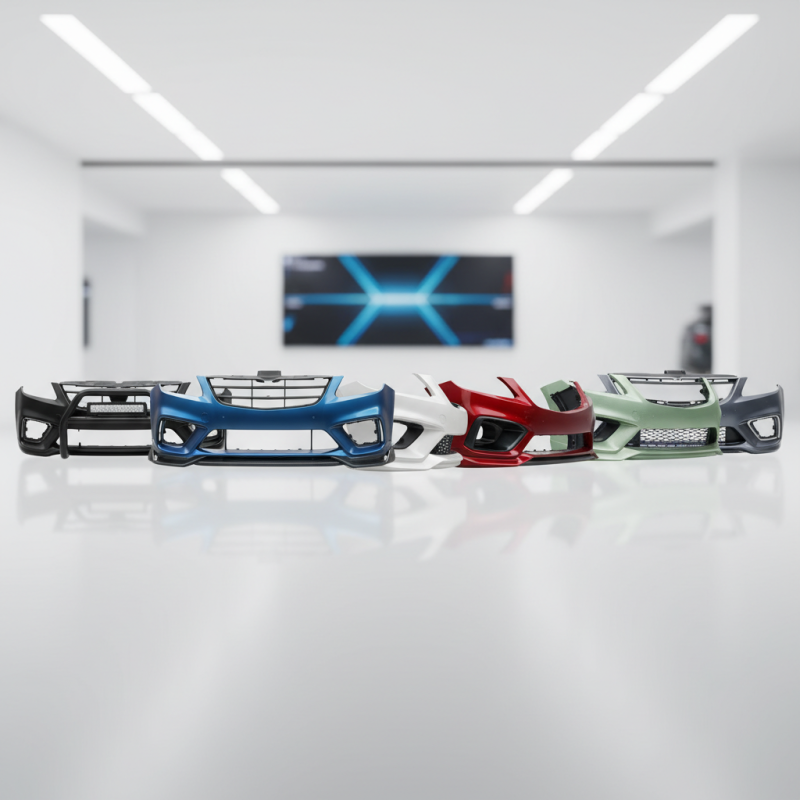
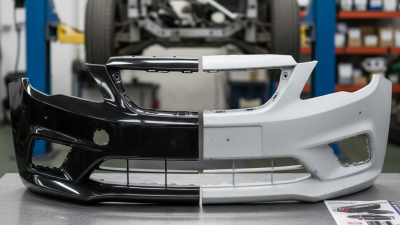
When selecting a car, one key component often overlooked is the car front bumper. Car front bumpers serve not only as protection but also contribute significantly to a vehicle's overall aesthetics. They come in various types, each catering to different needs and preferences.
Global buyers face an overwhelming array of options. From sporty designs to rugged variants, the choices can be confusing. Each type has its own advantages and disadvantages that impact performance and safety. Some may prioritize style, while others may seek durability. It's essential to understand what you truly need in a bumper.
As the automotive market evolves, so do consumer expectations. Buyers must be educated on the importance of quality materials and design in car front bumpers. This is where our exploration begins. Identifying the top ten types can aid buyers in making informed decisions, blending functionality with personal taste.
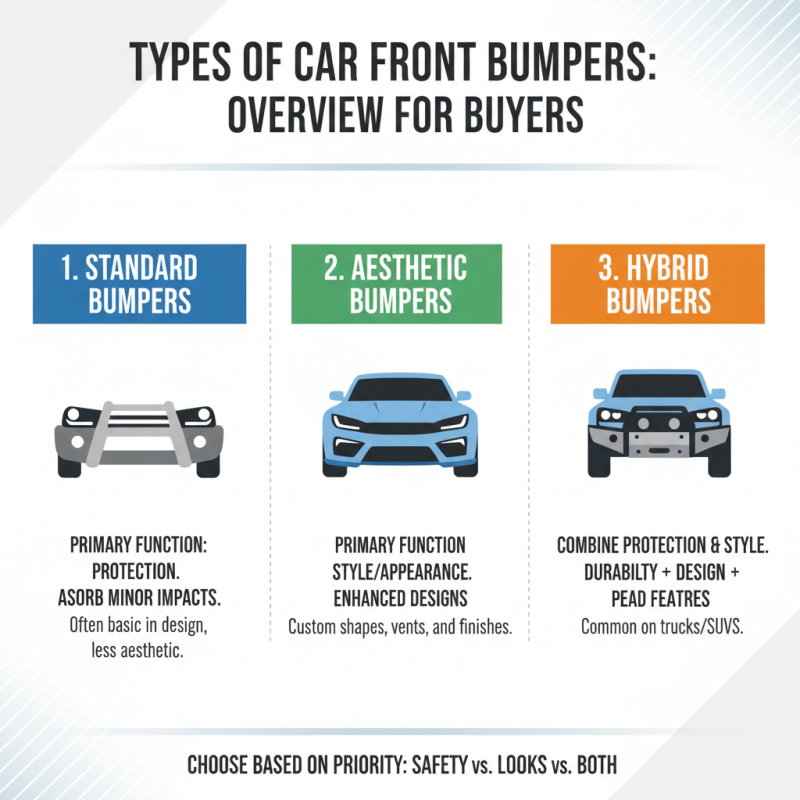
Types of Car Front Bumpers: An Overview for Buyers
When considering car front bumpers, buyers face numerous choices. Each type serves distinct functions. Standard bumpers focus on protection. They absorb impact during minor accidents. However, they often lack style. Many buyers prefer aesthetic enhancements.
Sport bumpers are popular for performance vehicles. They often feature aggressive designs. These types improve airflow and cooling. They may not provide as much protection. Off-road bumpers cater to adventurous drivers. They offer rugged durability and can withstand rough terrain. Yet, they can add significant weight to the vehicle.
Custom bumpers allow personalization. Buyers can choose unique styles and materials. Still, such modifications may require expert installation. Some buyers overlook cost and maintenance. Evaluating needs before choosing a bumper is crucial. Balance aesthetics and functionality for the best outcome.
Material Composition: Common Materials Used in Bumper Manufacturing
When it comes to car front bumpers, material composition plays a critical role. Common materials used in bumper manufacturing include plastics, metals, and composites. Each material has its unique strengths and weaknesses. For instance, plastics offer flexibility and resistance to corrosion, yet they can crack under extreme conditions. Metals, while durable and strong, can be heavy and prone to rust. This creates a dilemma for manufacturers balancing weight with safety.
In recent years, composite materials have emerged as a viable alternative. These hybrids combine the best features of both plastics and metals. They can provide lightweight strength and improved impact resistance. However, the tooling cost can be higher, posing a challenge for budget-conscious manufacturers.
Ultimately, choosing the right material isn't simple. Manufacturers must consider not only safety standards but also consumer preferences and production costs. The right balance can lead to greater satisfaction and longevity in the market. Yet, the constant evolution of materials means there's always room for improvement. With emerging technologies, the future of bumper materials promises exciting developments.
Top 10 Car Front Bumper Types for Global Buyers
Design Variations: A Look at Different Front Bumper Styles
Front bumpers serve as a critical component of vehicle design. They offer safety features and aesthetic appeal. According to industry reports, around 30% of a vehicle's perceived value hinges on its external design. Thus, front bumper styles significantly influence buyer preference globally.
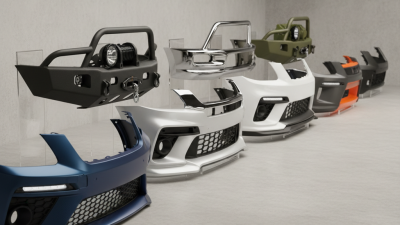
One popular style is the air dam, designed to enhance aerodynamics. This type reduces drag, allowing for better fuel efficiency. Interestingly, the sporty design attracts younger buyers, contributing to its growing market presence. Another style is the off-road bumper. Designed for rugged terrains, these bumpers often incorporate brush guards and winch mounts. However, they can alter the vehicle's center of gravity, posing potential handling challenges.
The material choice also varies drastically. Manufacturers often use plastic, metal, or composite materials. Each type offers unique benefits and drawbacks. For instance, plastic is lightweight but less durable than metal. Conversely, metal provides strength but adds weight, affecting fuel consumption. Choosing the right bumper style involves understanding these trade-offs. Insightful reports indicate that buyers prioritize safety features over aesthetics, reflecting evolving consumer priorities.
Functionality and Safety Features of Front Bumpers
When considering front bumpers, functionality is key. Bumpers serve multiple purposes beyond aesthetics. They protect the vehicle during minor collisions, absorbing impact and minimizing damage. Some designs also integrate sensors, enhancing safety by improving accident detection. It's essential to choose a bumper that aligns with safety standards, ensuring reliability on the road.
Safety features vary among bumper types. Some bumpers include crumple zones, which deform upon impact. This design reduces the force transferred to passengers. In contrast, rigid bumpers might offer more durability but less shock absorption. It's crucial to reflect on your driving habits. If you frequently navigate congested areas, a bumper with enhanced safety features might be wise.
The integration of materials also affects functionality. Lightweight materials improve fuel efficiency, while heavier options offer greater protection. Sometimes manufacturers prioritize aesthetics over safety. This trade-off can lead to performance issues. Buyers should consider real-world usage over superficial appeal when selecting a bumper type.
Compatibility and Customization Options for Global Markets
When selecting car front bumpers, compatibility becomes a crucial factor for global buyers. Different regions have unique vehicle standards and preferences. For instance, North American consumers might prioritize durability, while European buyers often look for sleek designs. This disparity requires manufacturers to adapt their bumpers to meet diverse regulatory frameworks and aesthetic tastes.
Customization options also play an essential role in the global market. Buyers appreciate the ability to personalize their vehicles. Some prefer colors that reflect their identity, while others seek specific materials for enhanced performance. However, not all customization features are available in every market. This inconsistency can frustrate buyers who wish to enhance their vehicles.
Navigating these aspects demands expertise. Manufacturers must balance various designs with the need for uniformity to meet safety standards. A bumper that fits perfectly in one market might not suffice in another. This ongoing challenge highlights the importance of understanding both compatibility and customization to cater to global interests effectively.
Top 10 Car Front Bumper Types for Global Buyers
| Bumper Type |
Compatibility |
Customization Options |
Weight (kg) |
Price Range (USD) |
| Standard Plastic Bumper |
Most compact and sedan cars |
Custom paint, decals |
5 |
100 - 200 |
| Sport Bumper |
Sports and luxury cars |
Aerodynamic kits, custom colors |
6 |
300 - 600 |
| Off-Road Bumper |
SUVs and trucks |
Winch mounts, LED integration |
12 |
500 - 900 |
| Fiberglass Bumper |
Performance and modified cars |
Custom styles and finishes |
4 |
400 - 800 |
| Metal Bumper |
Heavy-duty vehicles |
Powder coating, custom fittings |
15 |
600 - 1000 |
| Reinforced Bumper |
Family cars and sedans |
Impact protection mods |
8 |
200 - 400 |
| Lightweight Bumper |
Race cars |
Carbon fiber, lightweight build |
3 |
800 - 1200 |
| Bumper with Integrated Spoiler |
Performance cars |
Custom aerodynamic kits |
6 |
500 - 700 |
| Eco-Friendly Bumper |
Electric and hybrid vehicles |
Sustainable materials, custom designs |
5 |
300 - 500 |
| Modular Bumper |
Various vehicle types |
Interchangeable parts |
7 |
400 - 800 |